
Pokopia Habitat Dex: Every Habitat Family & Condition Explained
The habitat system organized — vegetation families, the six condition modifiers (dark, bright, humid, dry, warm, cool), structural sets and event habitats.
FAQ
How many habitats are in Pokémon Pokopia?
How do I discover new habitats in Pokopia?
What are habitat conditions in Pokopia?
Do grass and flower types matter for habitats?
How should you think about the habitat list?
Don’t memorize 209 recipes — learn the grammar that generates them. Community dex tracking (Nintendo Life documents 209 habitats; unofficial count) shows the system is combinatorial: a base arrangement × vegetation family × condition modifier produces a named habitat, and each name maps to the species it attracts. Our how-habitats-work guide covers the spawn mechanics; this page is the field guide to the families themselves.
What are the vegetation families?
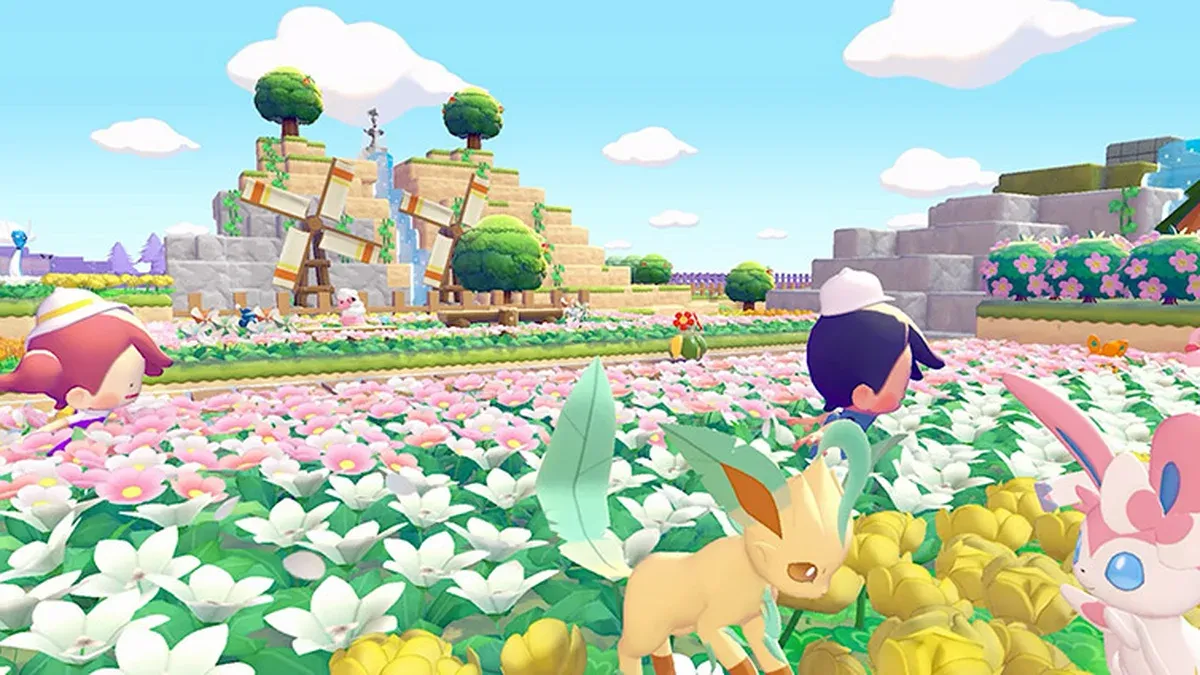
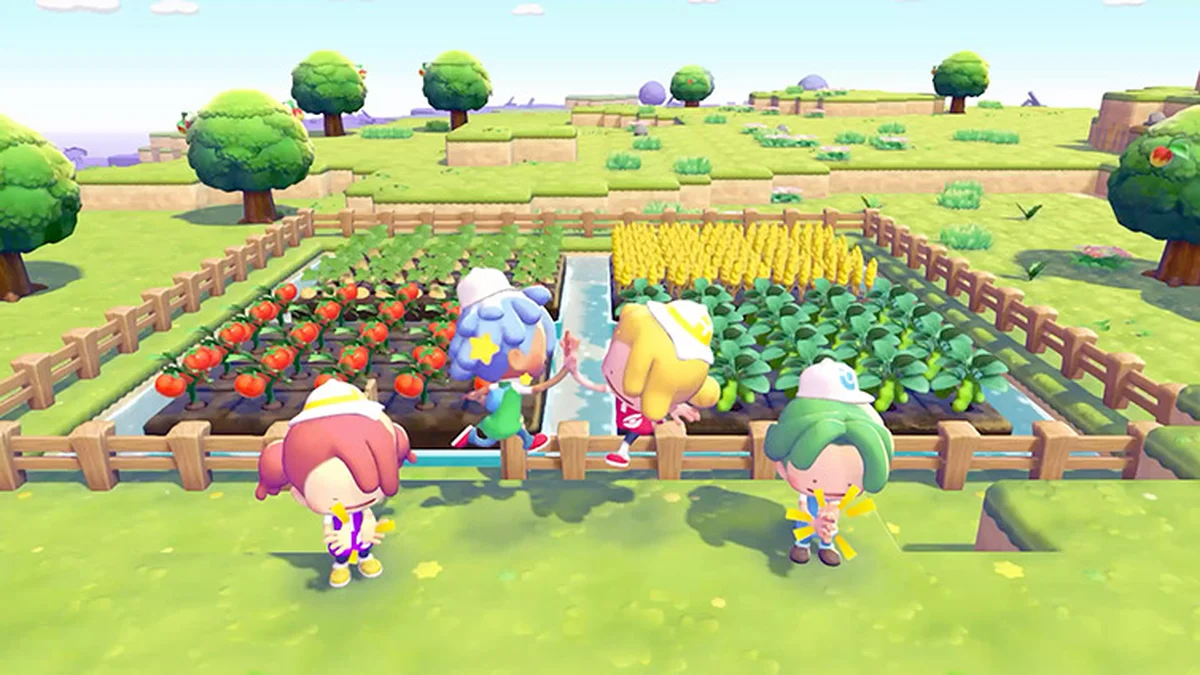
Grass, flowers and hedges come in regional variants, and a recipe’s plant requirement means that region’s variant — a mismatch silently fails the habitat. Walkthroughs document the region-locked rule with one exception: in the renameable sandbox town, every region’s grass and flower types work, making it the testing ground for mixed builds.
Named examples documented across guides (family → habitat):
| Vegetation base | Documented habitats |
|---|---|
| Tall grass | Tall Grass, Tree-Shaded Tall Grass, Seaside Tall Grass, Red Tall Grass, Hydrated Pink Tall Grass, Pointy Tree-Shaded Rocky Tall Grass |
| Flowers | Pretty Flower Bed and region-flower variants |
| Structures + plants | Leaf Kit Den (first home), Grassy Training Field, Rain Dance Site, Mossy Hot Spring, Waterside Dinghy |
What are the six condition modifiers?
Game8’s habitat guides frame the modifier set as six levers — each one re-themes a base habitat and retargets its species pool. The pairings below are the community-documented shorthand; guides disagree on exact species lists:
| Modifier | Attracts | How you raise it |
|---|---|---|
| Darker | Ghost- and dark-leaning species | Shade, covered nooks, night-side placement |
| Brighter | Day-active species | Lamps, open sightlines |
| Humid | Water- and swamp-types | Water sources, rain-adjacent spots |
| Dry | Ground- and desert-types | Keep water away, sunny exposure |
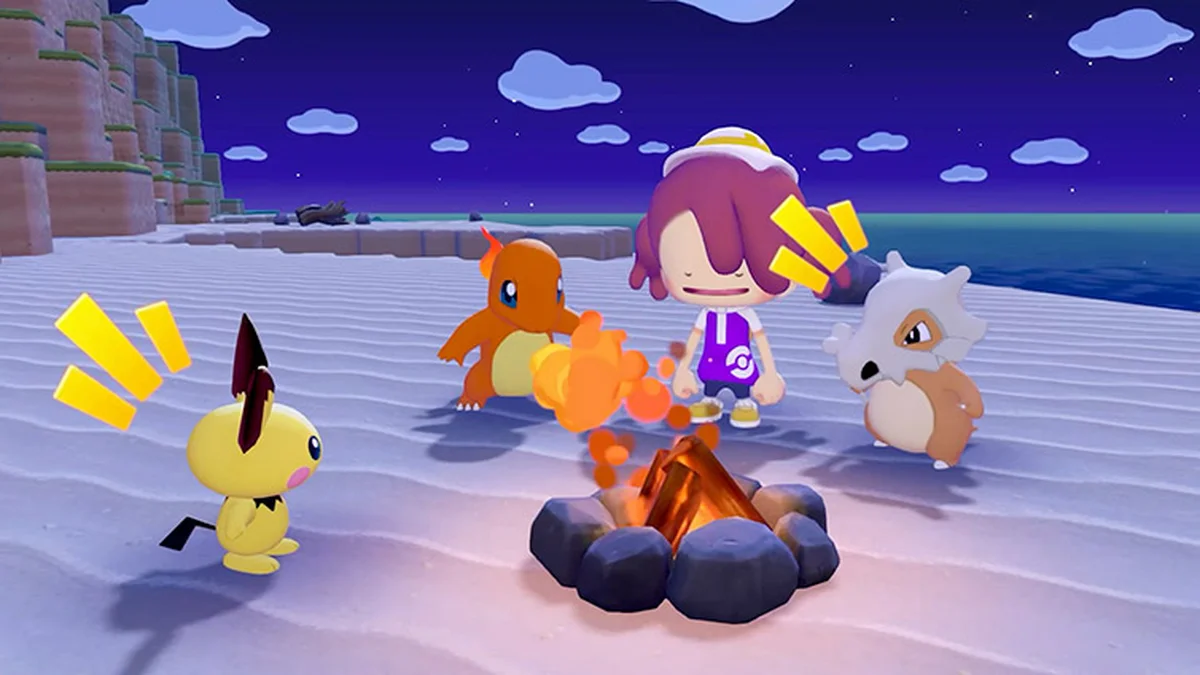
| Warm | Fire-types | Campfires, lava-adjacent terrain |
| Cool | Ice- and shade-types | Shelter from heat sources |
What are structural sets?
The second grammar: habitats named after arrangements of furniture and objects rather than terrain. The story teaches several — the Rain Dance Site and Grassy Training Field are required for early Pokémon — and event rewards extend the list: the ‘Treasure-hunting set’ (Adventure Kit, Map & Compass and Treasure placed together) came from Sableye’s event, and ‘Surrounded by stars’ was the Jirachi event’s build.
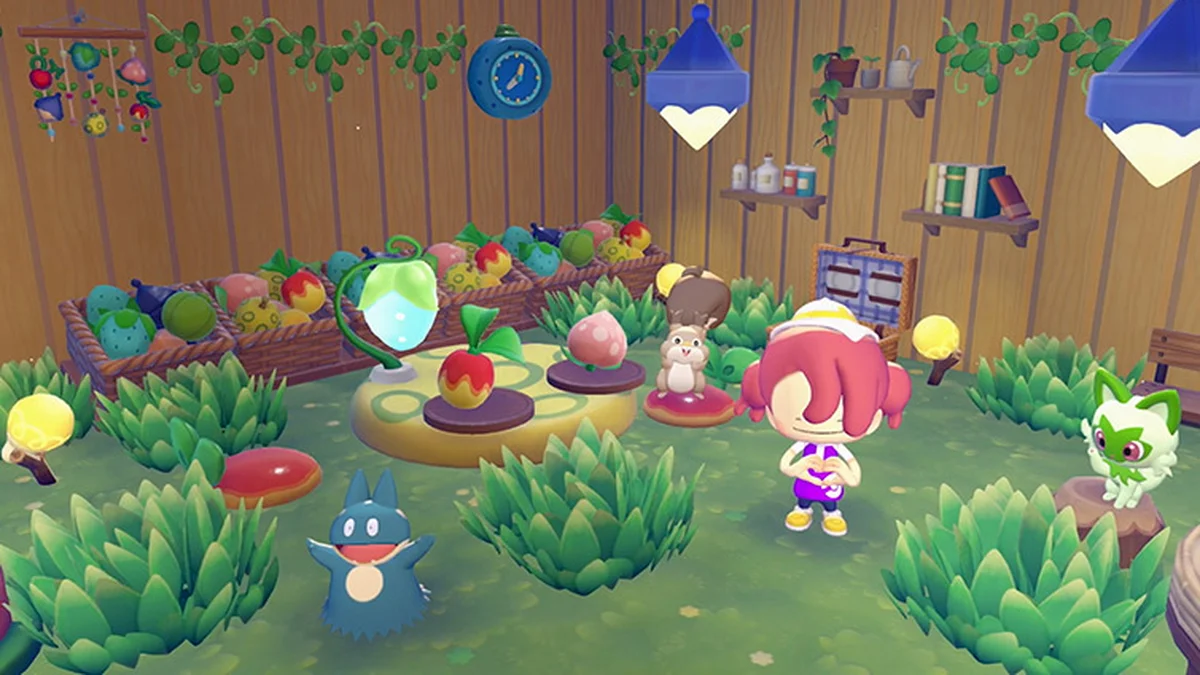
Interior arrangements count too — themed displays (a berry-laden room, a party rig) pull species that prefer furnished spaces over open land.
What are event-locked habitats?
Event furniture exists for exactly one purpose: building habitats for event-exclusive species. The Pumpkaboo event’s spooky furniture builds Gourgeist’s habitat; past events did the same for Sableye’s treasure set and Jirachi’s star field. Miss the event and the furniture — and the habitat line — is gone until a rerun.
How does discovery actually trigger?
Two in-game feeds, per IGN’s dex documentation: glowing “traces” you inspect in the world, and Pokémon sharing “ideas” in dialogue. But discovery isn’t a gate — place the right items in the right spots and the habitat forms whether or not the game has told you the recipe. That’s why the fastest dex growth comes from experimenting with condition modifiers on moves-terraformed ground rather than waiting for hints.
Sources
This article was compiled with AI assistance and checked by the site operator against the sources linked on this page — it is not based on first-hand play. Last checked: 10/12/2026. Editorial policy
Related Articles
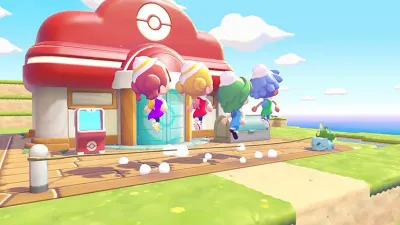
All Pokopia Events: Schedule, History & How Limited-Time Events Work
Every limited-time Pokopia event since launch — Hoppip through Apples to Applin — with dates, currencies, rewards and how events work.
Last checked Nov 17
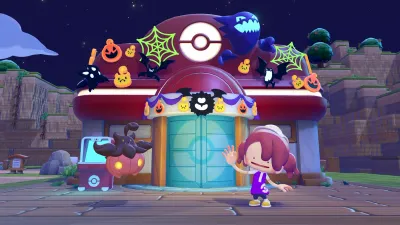
Pokopia Pumpkaboo's Sweet Surprises Event: Dates, Rewards & How to Play
Pumpkaboo's Sweet Surprises runs Oct 17 – Nov 1 — collect Pumpkin Candy, trade it for spooky furniture, and befriend Pumpkaboo and Gourgeist.
Last checked Oct 12
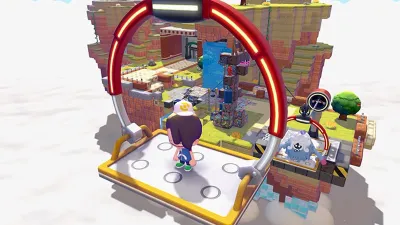
All Pokopia Areas: Every Town, How to Unlock Them & Trainer Rank
All five Pokopia areas explained — Withered Wasteland, Bleak Beach, Rocky Ridges, Sparkling Skylands and Palette Town — plus Trainer Rank gating.
Last checked Oct 12
Was this helpful?
Thanks for the feedback!