
Pokopia Habitats: How the System Actually Works
Habitats are Pokopia's recruitment engine — how placement, weather, time of day and environment level decide who moves in.
FAQ
How many habitats are in Pokopia?
How do habitats attract Pokémon?
Why isn't a Pokémon spawning in my habitat?
What is a habitat in Pokopia?
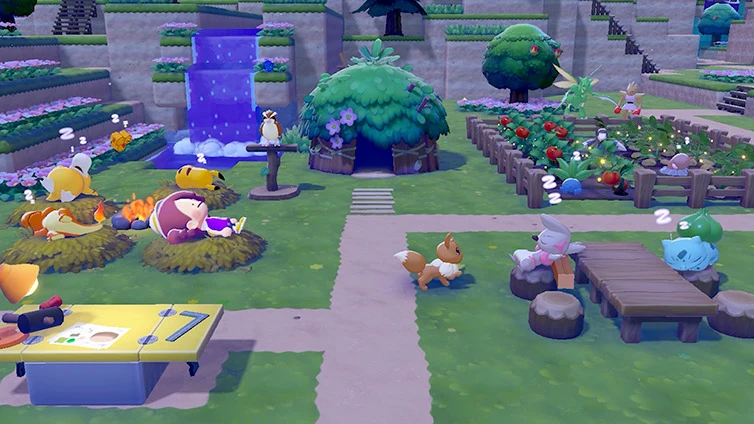
A habitat is a set of conditions you arrange — grass, water, flowers, lighting, structures — that tells a species “you can live here”. It’s the game’s answer to catching: instead of throwing balls, you shape environments. Satisfy a species’ preferences and it moves into your town.
Nintendo Life’s dex tracking documents 209 habitats in the launch game — an unofficial community count, not an official figure. What that number means in practice: 209 distinct condition-recipes to discover, each mapping to the species it attracts.
How does spawning actually trigger?
Multiple variables stack:
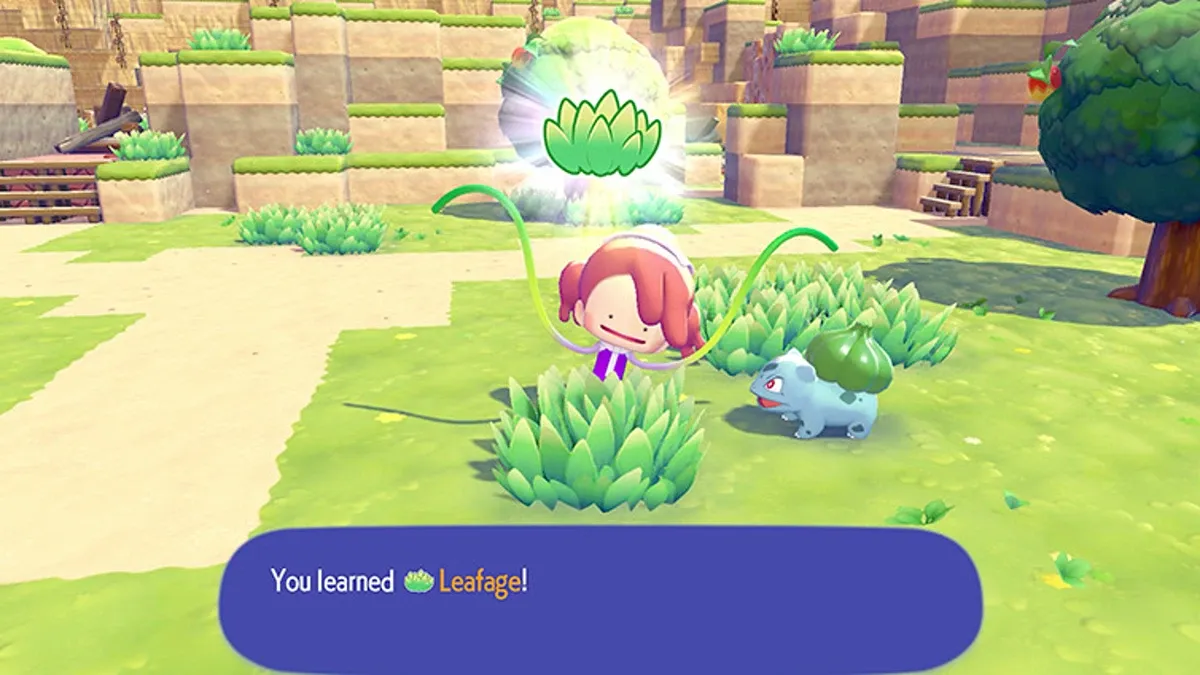
- Habitat match — the core conditions must exist. A grass-type wants grown greenery (which is why Leafage matters early); a ghost wants dark, lantern-lit corners.
- Time of day — the real-time cycle shifts who’s out; night-only species need patience or a schedule check.
- Weather — rain, sun and other conditions open and close spawn windows.
- Environment level — the town-wide progress stat from requests that gates later species entirely.
How do habitats connect to specialties?
The pipeline is: habitat → new neighbor → new specialty → new town capability. That’s why habitat work is the real progression system — a town that looks finished but has thin habitat variety stalls out, while a scrappy town with diverse biomes keeps unlocking jobs. The full loop is mapped on the complete guide.
What changes underwater?
The Bubbly Basin DLC ports the system under the sea: buoyant blocks for suspended construction, Water-specialty-maintained air bubbles for crop plots, and a separate habitat pool for aquatic species — community tracker poketools projects ~52 DLC Pokémon additions across the full pass (unofficial count covering unreleased parts). Same rules, new physics.
What are the fastest habitat wins?
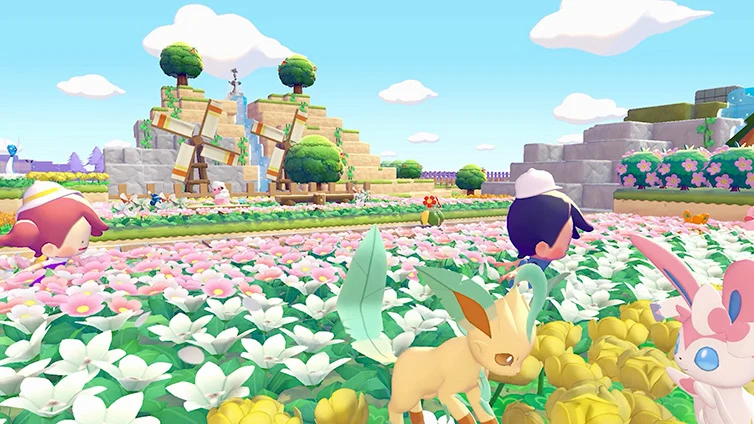
- Grass + flowers — the Leafage-accessible starter combo that recruits early grass- and bug-types.
- Lit camp — lighting plus a campfire draws the nocturnal crowd.
- Water edge — ponds and shorelines pull the water-types, expanded hugely by the free 2.0.0 update.
- Burrow-like nooks — the cover image’s Squirtle scene is the kind of sheltered spot certain species check for.
Sources
This article was compiled with AI assistance and checked by the site operator against the sources linked on this page — it is not based on first-hand play. Last checked: 10/10/2026. Editorial policy
Related Articles

All Pokopia Events: Schedule, History & How Limited-Time Events Work
Every limited-time Pokopia event since launch — Hoppip through Apples to Applin — with dates, currencies, rewards and how events work.
Last checked Nov 17

Pokopia Pumpkaboo's Sweet Surprises Event: Dates, Rewards & How to Play
Pumpkaboo's Sweet Surprises runs Oct 17 – Nov 1 — collect Pumpkin Candy, trade it for spooky furniture, and befriend Pumpkaboo and Gourgeist.
Last checked Oct 12
All Pokopia Areas: Every Town, How to Unlock Them & Trainer Rank
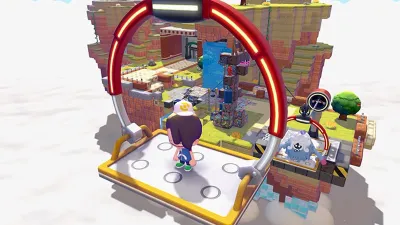
All five Pokopia areas explained — Withered Wasteland, Bleak Beach, Rocky Ridges, Sparkling Skylands and Palette Town — plus Trainer Rank gating.
Last checked Oct 12
Was this helpful?
Thanks for the feedback!